All the seats at the hamburger joint were reserved for white patrons, so 13 year old Terrence Roberts ordered food to go. While waiting, he impulsively sat down at the counter and then realized a hush had fallen over the place. Suddenly everyone seemed to be looking at him threateningly. He canceled his order and left. As he walked home, Roberts remembers wondering “what it would take for (him) to be treated like a real human being.”

Two years later, in 1957, he volunteered to be one of the ‘Little Rock Nine’ who desegregated Central High School, in Little Rock, Arkansas.
After the group made several attempts to attend Central High in the fall of 1957, President Dwight D. Eisenhower ordered federal troops to the school. A soldier was assigned to protect each African American student, but Roberts recalls he suffered physical and verbal abuse on a daily basis throughout the school year.
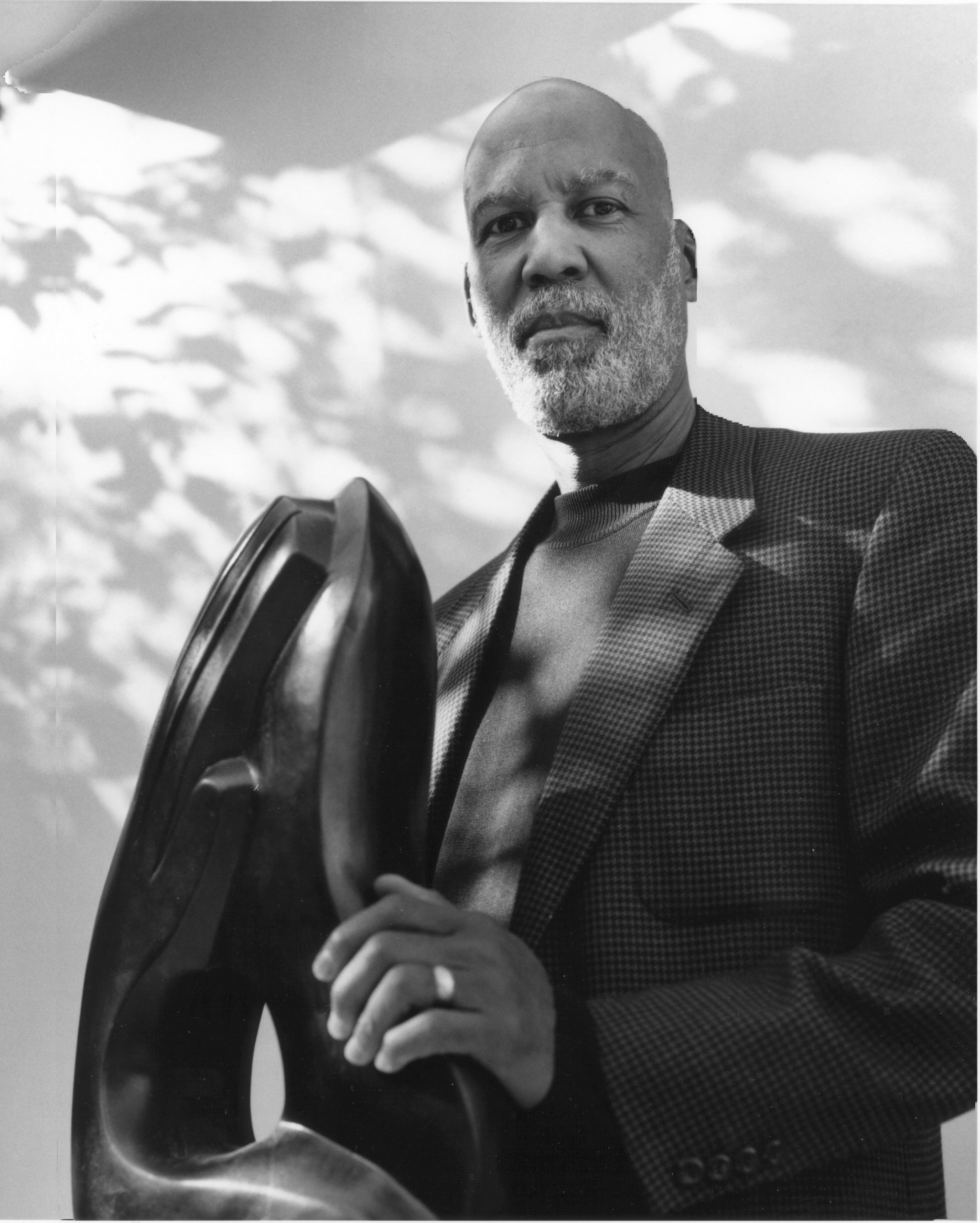
Today, Dr. Roberts is a civil rights activist, diversity consultant, and frequent keynote speaker. A compelling study of institutional racism, his memoir Lessons from Little Rock (2009) details his childhood in the segregated South and is a testament to the personal resolve that he and each member of the Little Rock Nine used to survive their first days at Central High. He also the author of Simple, Not Easy: Reflections on Community, Social Responsibility, and Tolerance (2010).
 Lessons From Little Rock
Today is very different from 1957, but the echoes of Little Rock still inform our decisions today. Public schools are being re-segregated and private, uniracial schools are cluttering the horizon. This lecture serves to open and continue the conversation about race, one of the most salient and confusing topics of our culture. As we move deeper into this new century, with an African-American President and a landscape shifting in other unexpected ways, we must learn ways to accept and embrace difference, rid ourselves of the disabling prejudices that keep us at arm’s length from each other, and work toward establishing a just and truly democratic society.
Dr. Roberts and his fellow students received the Spingarn Medal from the NAACP in 1958, and the Congressional Gold Medal, the United States’ highest civilian honor, in 1999. Dr. Roberts is a frequent speaker on civil rights and diversity and is a regular speaker a the Museum of Tolerance in Los Angeles. Dr. Roberts is CEO of Terrence J. Roberts & Associates, a management consultant firm devoted to fair and equitable practices. A graduate of California State University at Los Angeles (BA) and UCLA (MSW), Dr. Roberts obtained his Ph.D. In psychology from Southern Illinois University in Carbondale, Illinois. He has appeared on The Newshour, Tavis Smiley and the BBC, among others.
Learn more about Dr. Roberts on his website: www.terrenceroberts.com